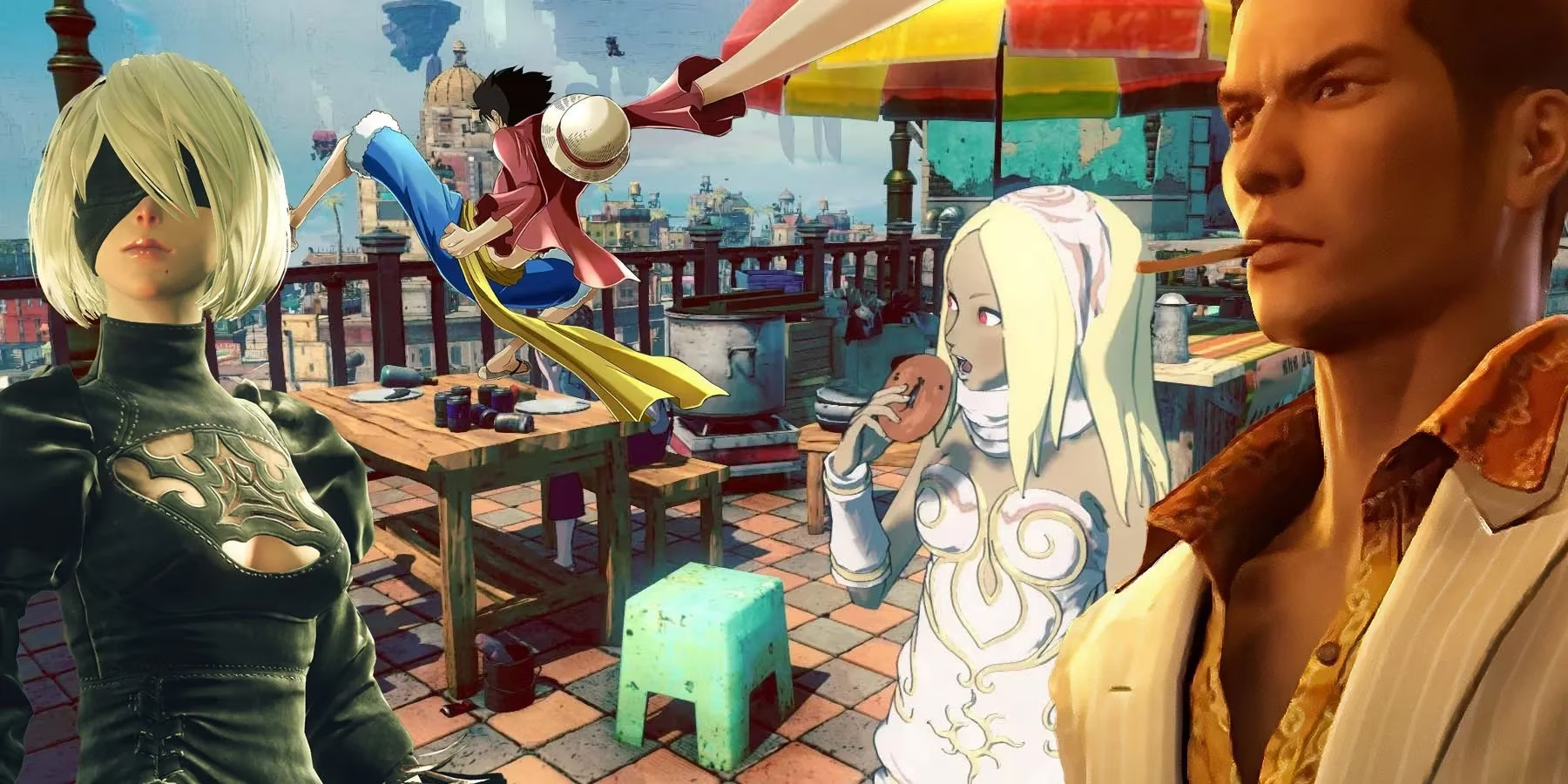
As a dedicated gamer in 2026, I find myself constantly drawn to the vibrant and imaginative worlds crafted by developers who blend the open-world genre with the distinct aesthetic of anime and manga. In a landscape often dominated by photorealistic graphics and similar gameplay loops, these titles stand out by offering unique artistic visions and inventive mechanics. The appeal lies not just in their visual style, but in how they use that style to frame adventures that feel both expansive and intimately personal. While the genre remains somewhat niche compared to mainstream AAA open-world titles, the games that succeed in this space create unforgettable experiences by marrying Japanese storytelling sensibilities with the freedom of exploration. My journey through these worlds has been a highlight of my gaming life, revealing hidden gems and ambitious projects that deserve far more recognition.
The Allure and Challenge of Anime Open Worlds
Creating a compelling open-world game is a monumental task. Creating one that also captures the essence of anime's visual and narrative language is even harder. These games often walk a tightrope. They must provide the vast, interactive playgrounds players expect while also delivering the character-driven stories, dramatic moments, and specific artistic flair that anime fans cherish. Some titles, like One Piece World Seeker, show the potential pitfalls. The idea of exploring the Grand Line as Luffy was a dream for fans, but the execution felt, to me, somewhat hollow. 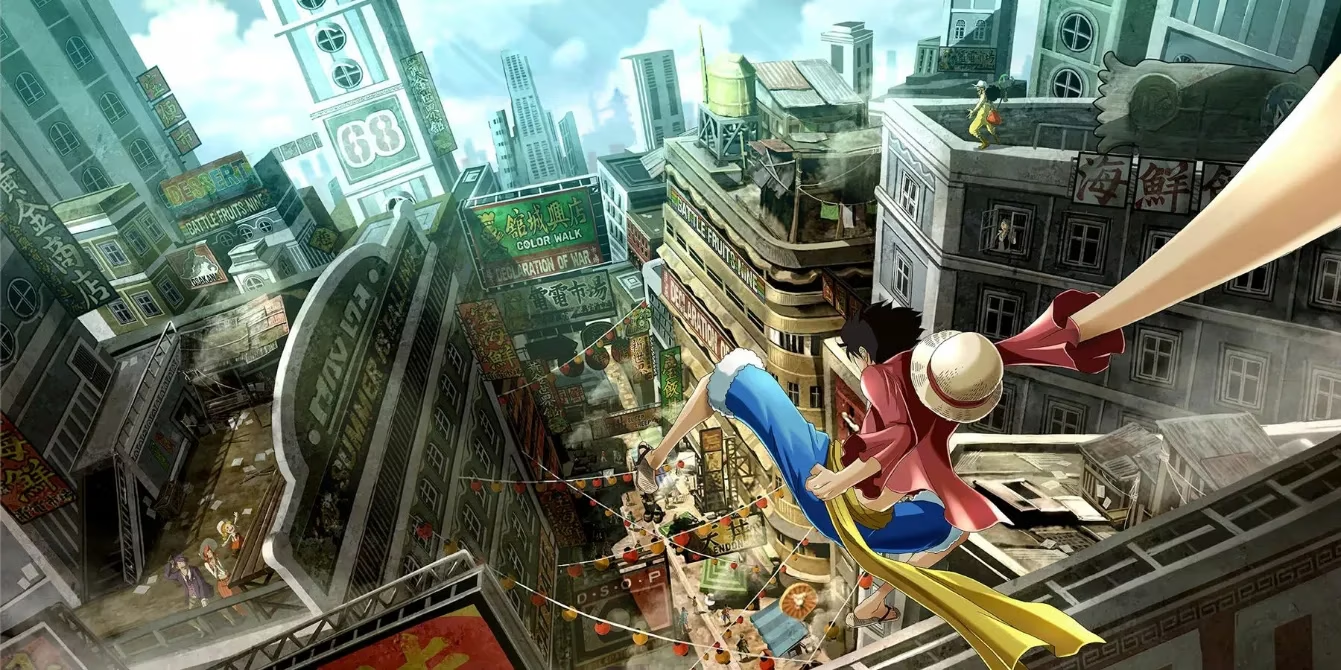 Zooming around as the rubber-limbed pirate is undeniably fun at first, but the world itself lacked the soul and density of interaction needed to make it truly feel like a living One Piece adventure. It served as a lesson that a beloved license alone isn't enough; the world must be as engaging as the characters inhabiting it.
Standouts in the Genre: From Gacha Giants to Cult Classics
The genre truly shines when developers use the anime aesthetic to enhance unique gameplay ideas. A prime example from recent years is Wuthering Waves. While it inevitably draws comparisons to its predecessor Genshin Impact, it carves its own identity. Its world is grittier, more somber, and its core mechanic, the Echo system, brilliantly ties progression directly to exploration. 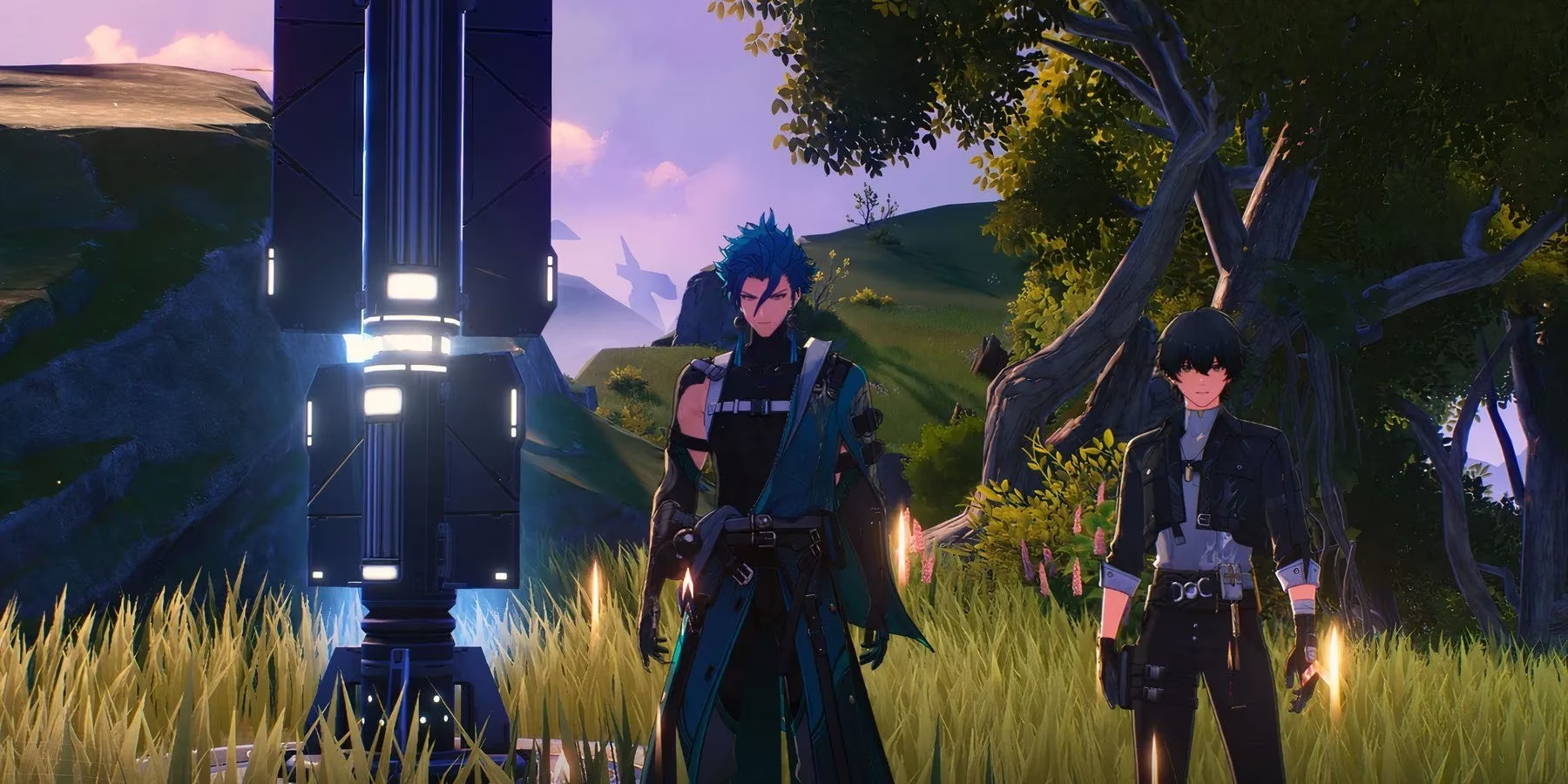 Instead of grinding repetitive domains for artifacts, I found myself hunting specific overworld monsters, which made every journey feel purposeful. This simple but effective change addressed a common fatigue in the genre and showcased how a new twist on a formula can feel refreshing.
Then there are the cult classics that break conventions entirely. Gravity Rush 2 remains, in my opinion, one of the most creative and underappreciated games ever made. Manipulating gravity to fly, walk on walls, and battle enemies isn't just a gimmick; it's a fundamental reimagining of 3D movement that makes its floating cities a joy to navigate. 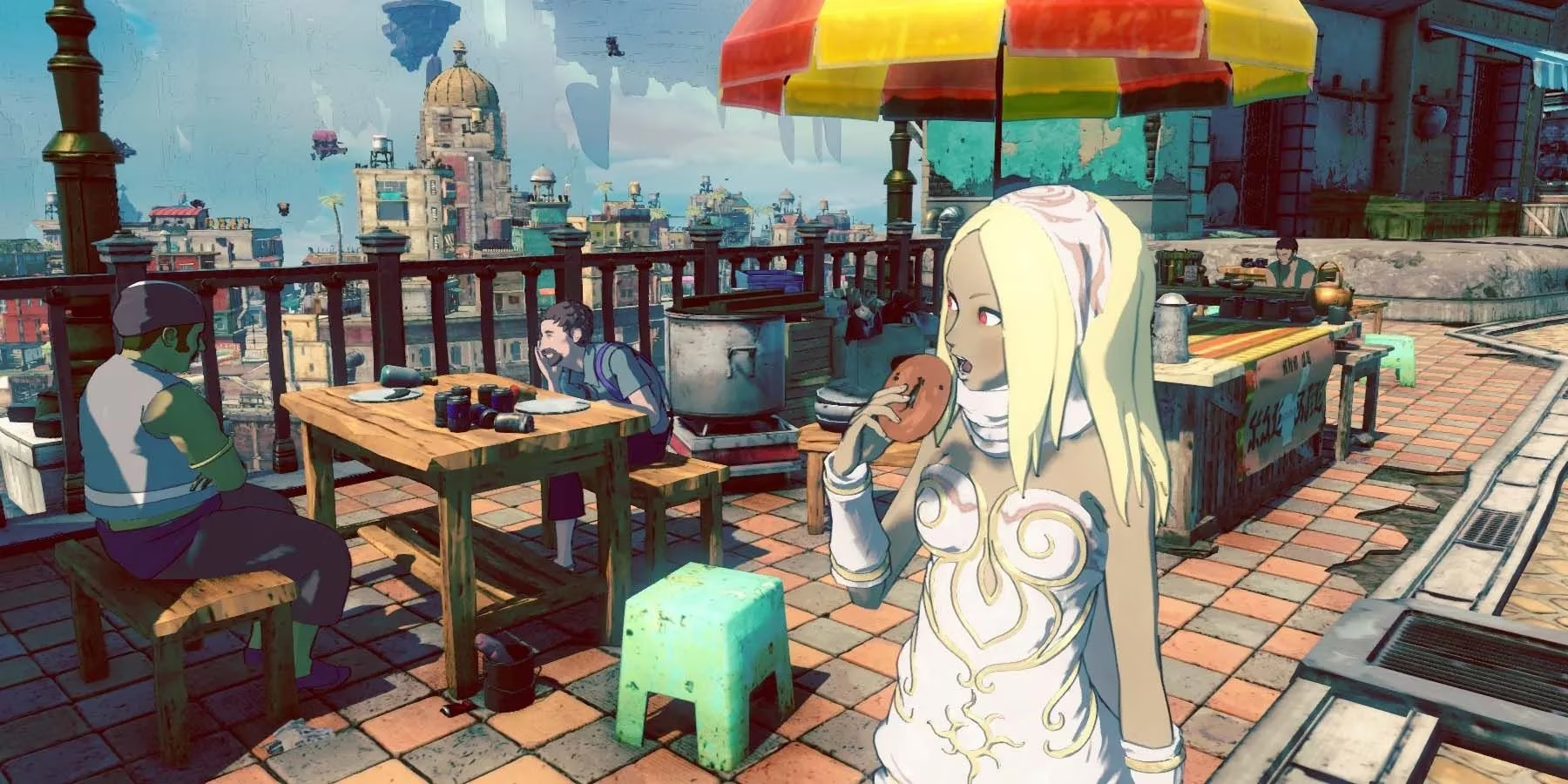 Its cel-shaded, comic-book-inspired art is pure anime charm. The closure of its developer, Project Siren, was a tragic loss, cementing this duology as a unique treasure in gaming history.
Innovative Concepts and Gameplay Loops
Some of the most fascinating entries are those that play with the very structure of open-world RPGs. Hero must die. Again presents a brilliant, inverted premise. You start as a legendary hero at the peak of his power... who is dying. Your strength wanes each in-game day, forcing you to prioritize which quests to complete in your limited time. 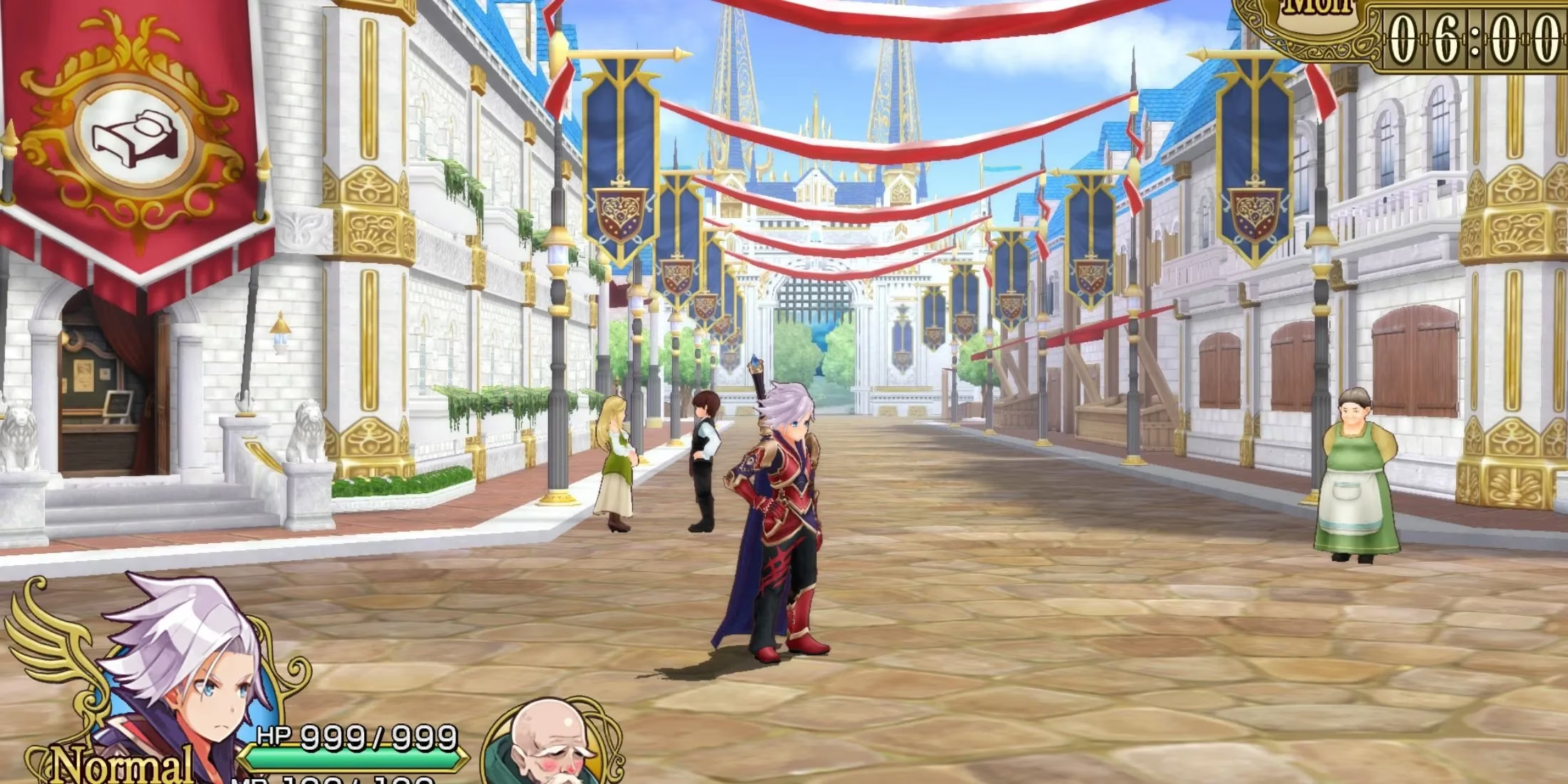 The game is designed for multiple playthroughs, with each cycle unlocking new possibilities and pushing you toward the true ending. It's a short, poignant experience that uses its repetitive structure to build a surprisingly emotional narrative about legacy and final acts.
Similarly, Digimon World: Next Order rejects traditional combat-focused progression for a deep pet-rearing simulation set in an open world. Your bond with your Digimon partners—feeding them, training them, even taking them to the bathroom—directly influences how they Digivolve. 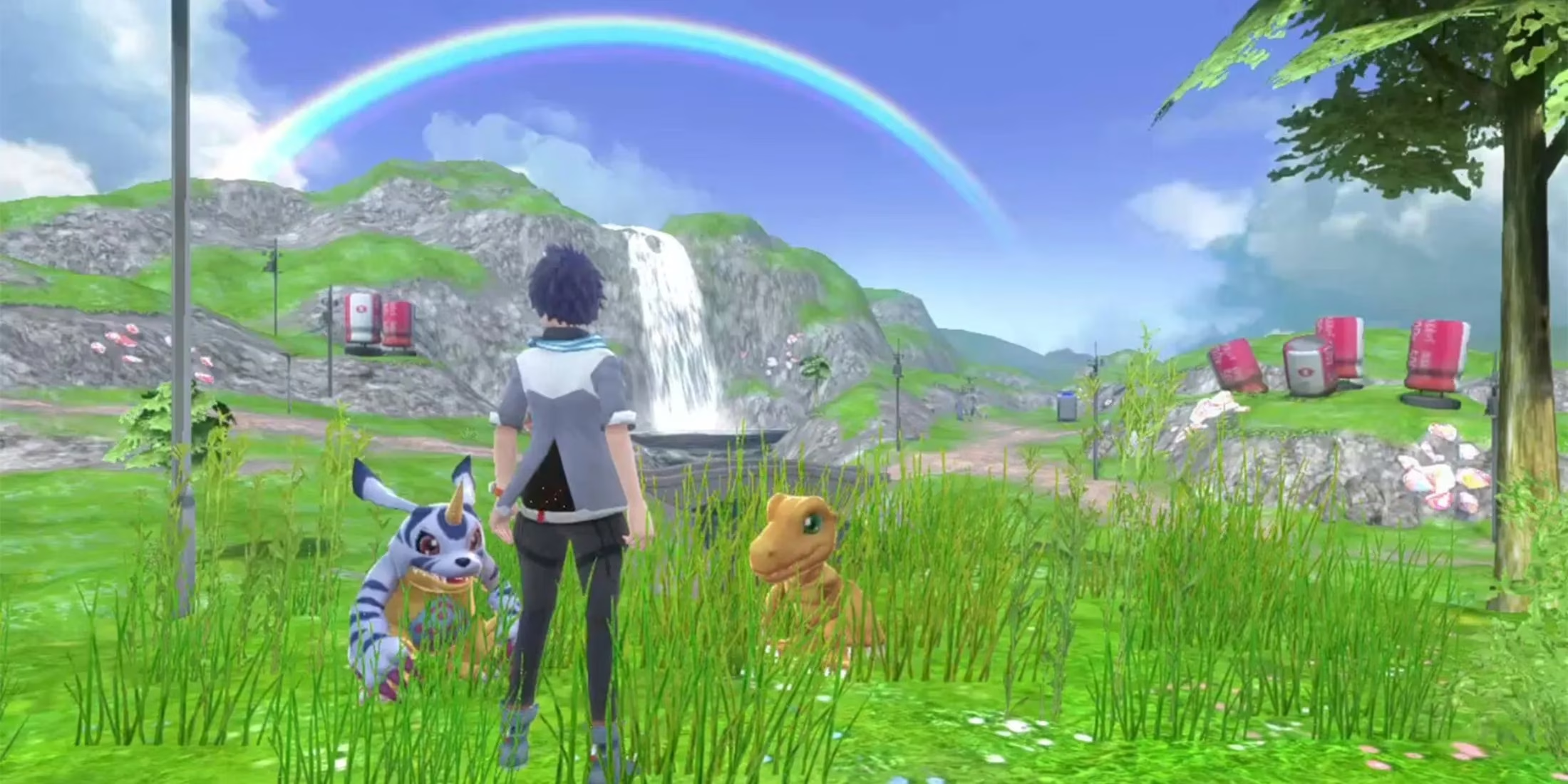 The cycle of life, death, and rebirth is built into the core loop, creating a tangible sense of care and connection that few other monster-collecting games achieve. It's a wonderfully niche and heartfelt take on the genre.
Redefining the JRPG Open World
The definition of "open world" can be flexible, and some of the best anime-style games embrace this. Octopath Traveler, with its beautiful HD-2D art, offers a world that is open in narrative structure rather than pure geography. You can recruit the eight protagonists in almost any order and tackle their story chapters non-linearly, creating a personalized anthology adventure. 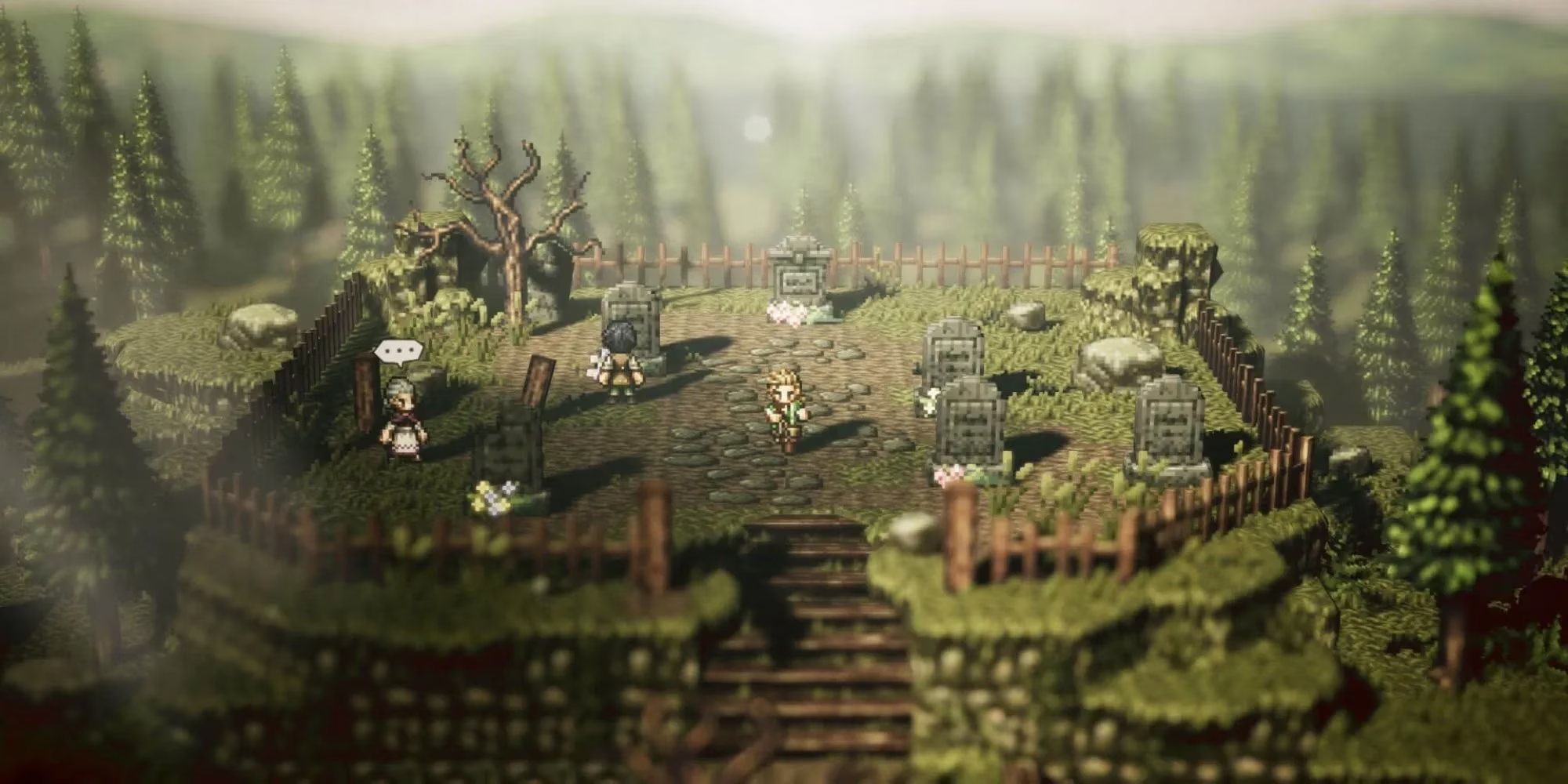 While the party members don't interact deeply in the main story, the act of exploring the continent of Orsterra, uncovering its dungeons, and experiencing each character's personal tale makes the world feel vast and full of secrets.
Conversely, the Like a Dragon (formerly Yakuza) series offers intensely dense, micro-open worlds. Playing through Yakuza 0 and the newer Like a Dragon titles, I was constantly amazed at how much life was packed into the districts of Kamurocho and Ijincho. 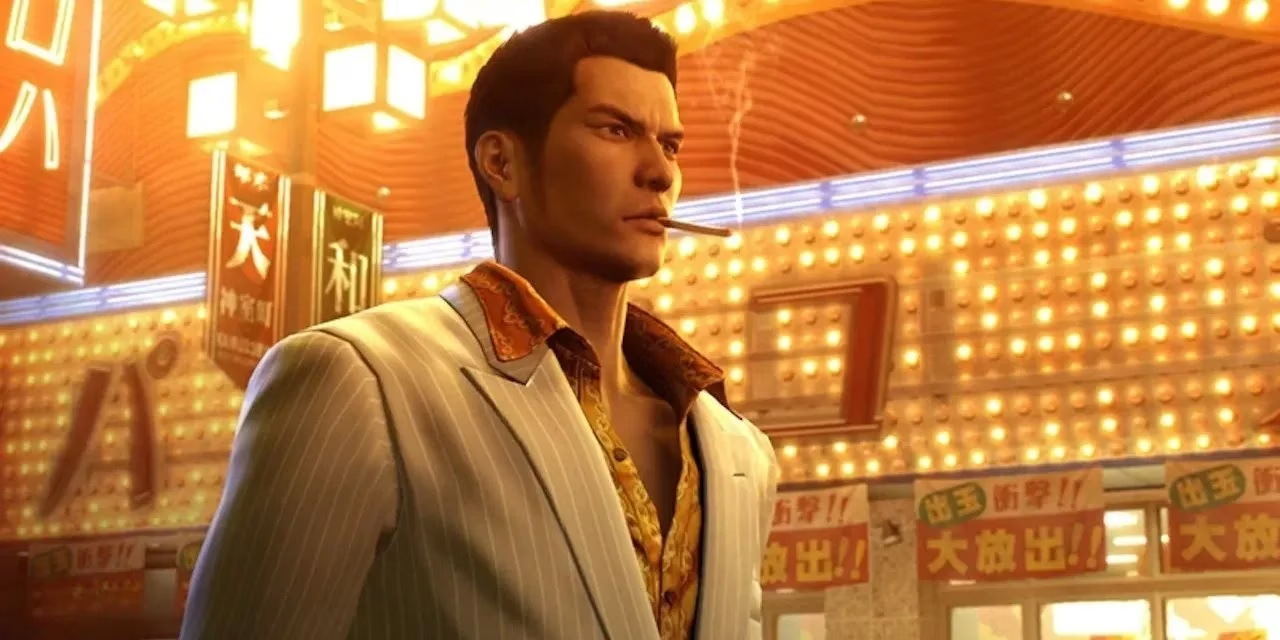 These are not worlds defined by vast wilderness, but by dense urban playgrounds filled with quirky substories, minigames, and sudden, thrilling combat encounters. The shift to a turn-based RPG system in Like a Dragon only heightened the anime-like drama of its storytelling, proving that an open world's quality is measured by depth, not sheer size.
Games of Ambitious Scale
Of course, some games aim for a more traditional, epic scope. Dragon Ball Z: Kakarot attempts to bottle the entire Z saga into an explorable RPG world. Soaring through the skies as Goku or Vegeta, reliving iconic battles, and engaging in side activities like fishing and training captures a specific nostalgic magic. 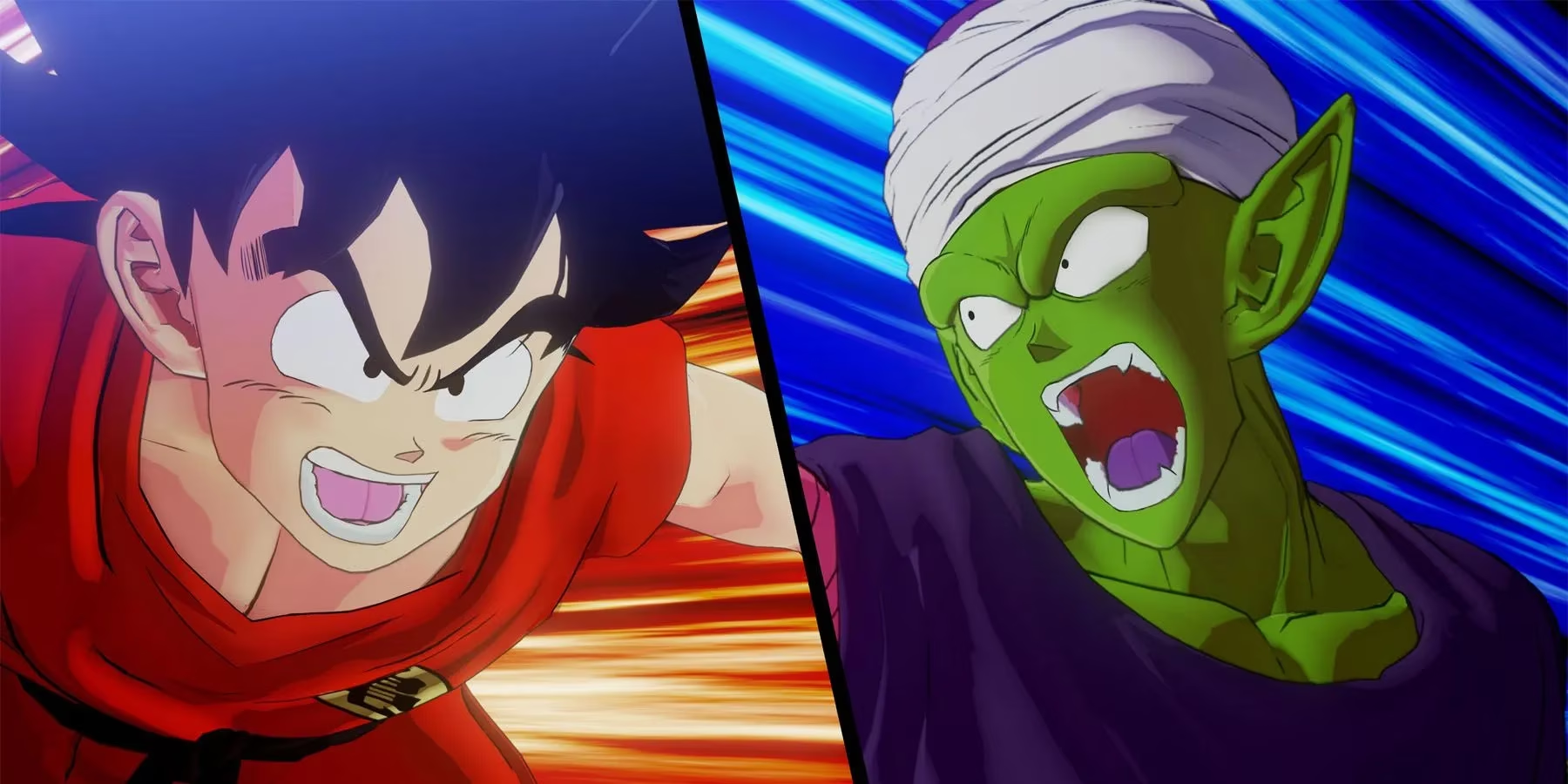 However, the experience can feel uneven. The RPG mechanics sometimes feel tacked on, and the world, while fun to fly through, can lack the persistent interactivity of other titles. It's a loving tribute that excels in moments of spectacle but doesn't always sustain its open-world ambitions between major story beats.
Even the divisive Final Fantasy XIII trilogy ventured into open-world design with its final chapter, Lightning Returns. The game's defining mechanic—a strict, in-game time limit counting down to the world's end—forces a fascinating pace. You can't do everything in one playthrough. You must plan Lightning's final days, choosing which quests and regions to save. 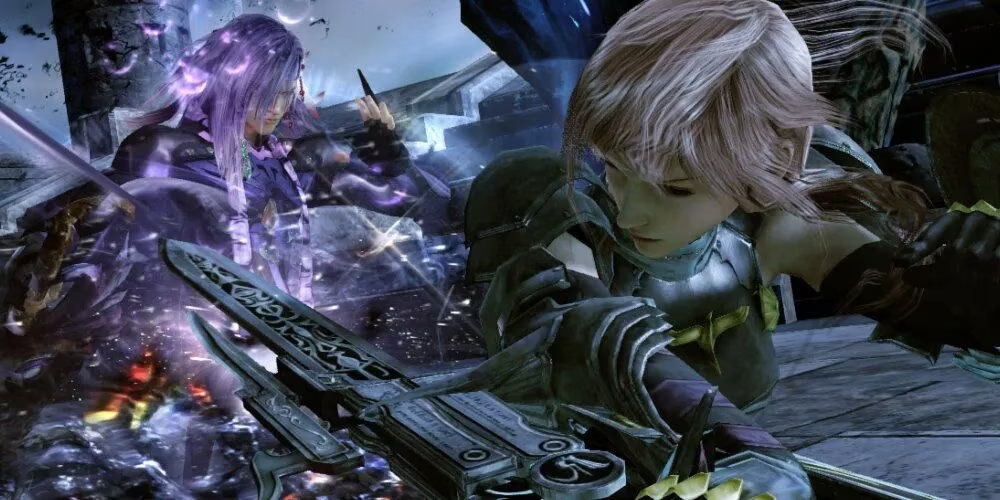 This creates a constant, palpable tension that makes exploration feel urgent and meaningful, a stark contrast to the often-leisurely pace of the genre. It's a bold, flawed, but ultimately memorable experiment.
The Future of the Style
As we move forward, the intersection of anime aesthetics and open-world design continues to evolve. The success of games like Wuthering Waves shows there is a hungry audience for these experiences. The key differentiators for the best titles are:
-
Unique Core Mechanics: Whether it's gravity manipulation, a decaying hero, or monster-rearing, a strong central hook.
-
Artistic Confidence: A distinct visual style that does more than just mimic anime, but uses it to create a cohesive world.
-
Meaningful Exploration: Systems that reward and incentivize engaging with the world beyond simple collectibles.
-
Narrative Integration: Stories that feel native to both the anime tradition and the interactive nature of a game world.
For me, playing these games is a constant delight. They remind me that the open-world genre is not just about scale, but about personality. From the heartfelt care of Digimon World: Next Order to the urban chaos of Like a Dragon, and the soaring ambition of Wuthering Waves, these worlds offer a colorful, dynamic, and deeply engaging alternative. They prove that with the right vision, an anime-inspired world can be just as immersive and boundless as any photorealistic frontier. The future looks bright for developers willing to paint their vast canvases with this particular, vibrant palette.