As a longtime Genshin Impact player, I finally closed the book on Natlan in 2026—and I am still thinking about the smoke, the sacrifice, and that tear in the false sky. The Pyro Nation arrived as a war story, but in my replay it feels more like a memory play: every celebration is built on someone’s loss, and every victory asks who gets to be remembered. Is that not the most Natlanese question of all?
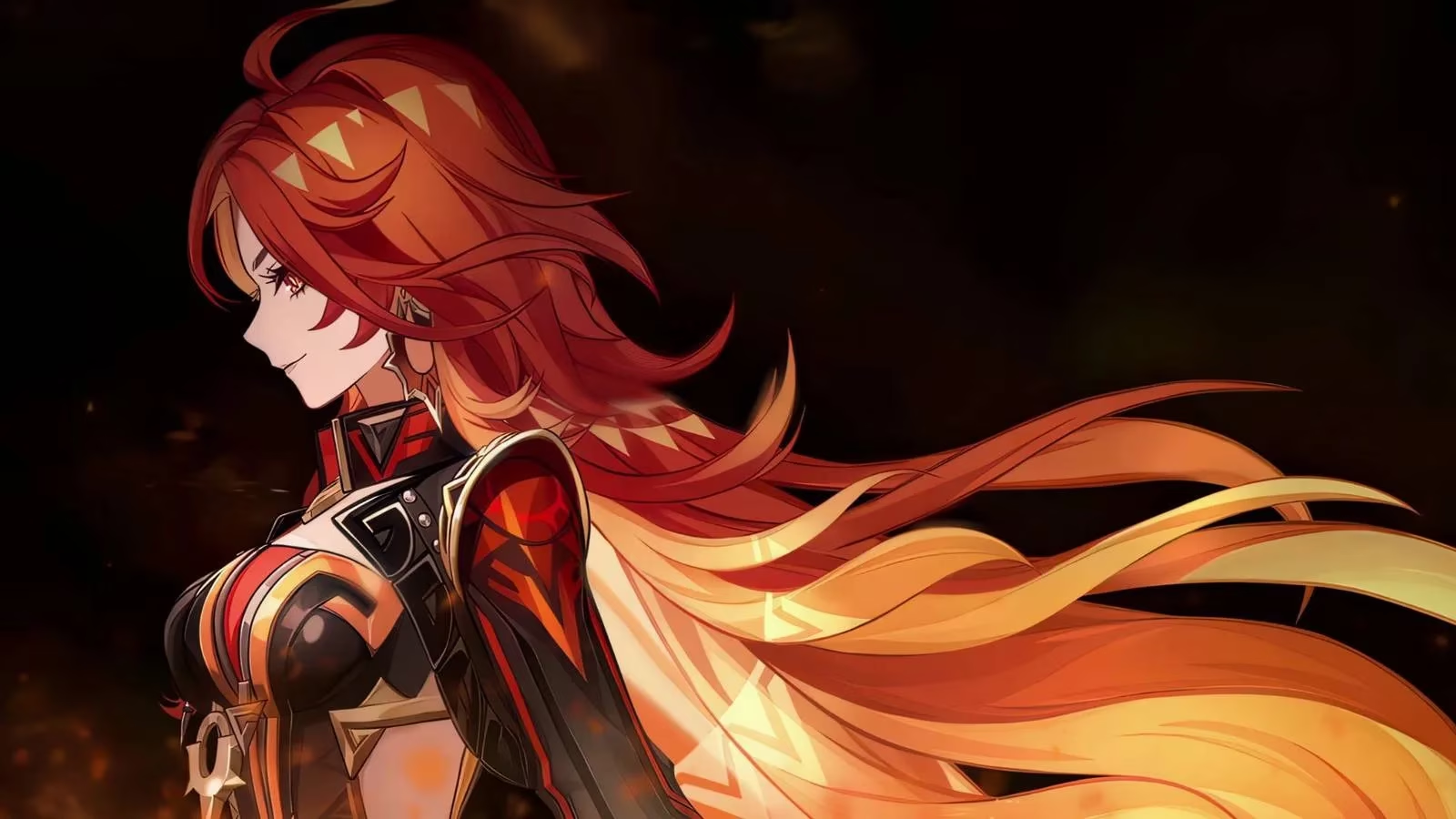
Natlan’s Archon Quest does not begin with a clean slate. Before I ever set foot in the Stadium of the Sacred Flame, I carried the baggage of Bedtime Story: Dainsleif, Lumine, erased memories, the Loom of Fate, and the Five Sinners of Khaenri’ah. Natlan does not answer those questions directly, but it sharpens them. The nation’s crisis is local—Abyss invasions, broken Ley Lines, a Sacred Flame that can fail—yet the solutions keep pointing outward, toward Khaenri’ah, the Heavenly Principles, and the Tsaritsa’s long game.
The War Is Local, the Stakes Are Not
In my playthrough, the first shock was how fragile Natlan’s protection really is. Unlike the other nations, Natlan does not have stable, deep-rooted Ley Lines. After the Cataclysm 500 years ago, the nation suffered more casualties than its neighbors, and the Night Kingdom was reformatted by Yohualtecuhtin, the Lord of the Night, to hold memories, will, and elemental energy in the Ley Lines’ place. That detail changes everything. The Night Kingdom is not just an afterlife; it is Natlan’s backup drive.
The six tribes each have a Wayob, and the Wayob grant Ancient Names. Those names carry a heroic legacy, memories included, from one bearer to the next. If the Abyss severs the Wayob from the tribes, Natlan loses its last wall. If the names are forgotten, the deeds of past heroes vanish too. No wonder the Pilgrimage of the Return of the Sacred Flame and the Night Warden Wars matter so much. They are not just tournaments and battles; they are memory maintenance.
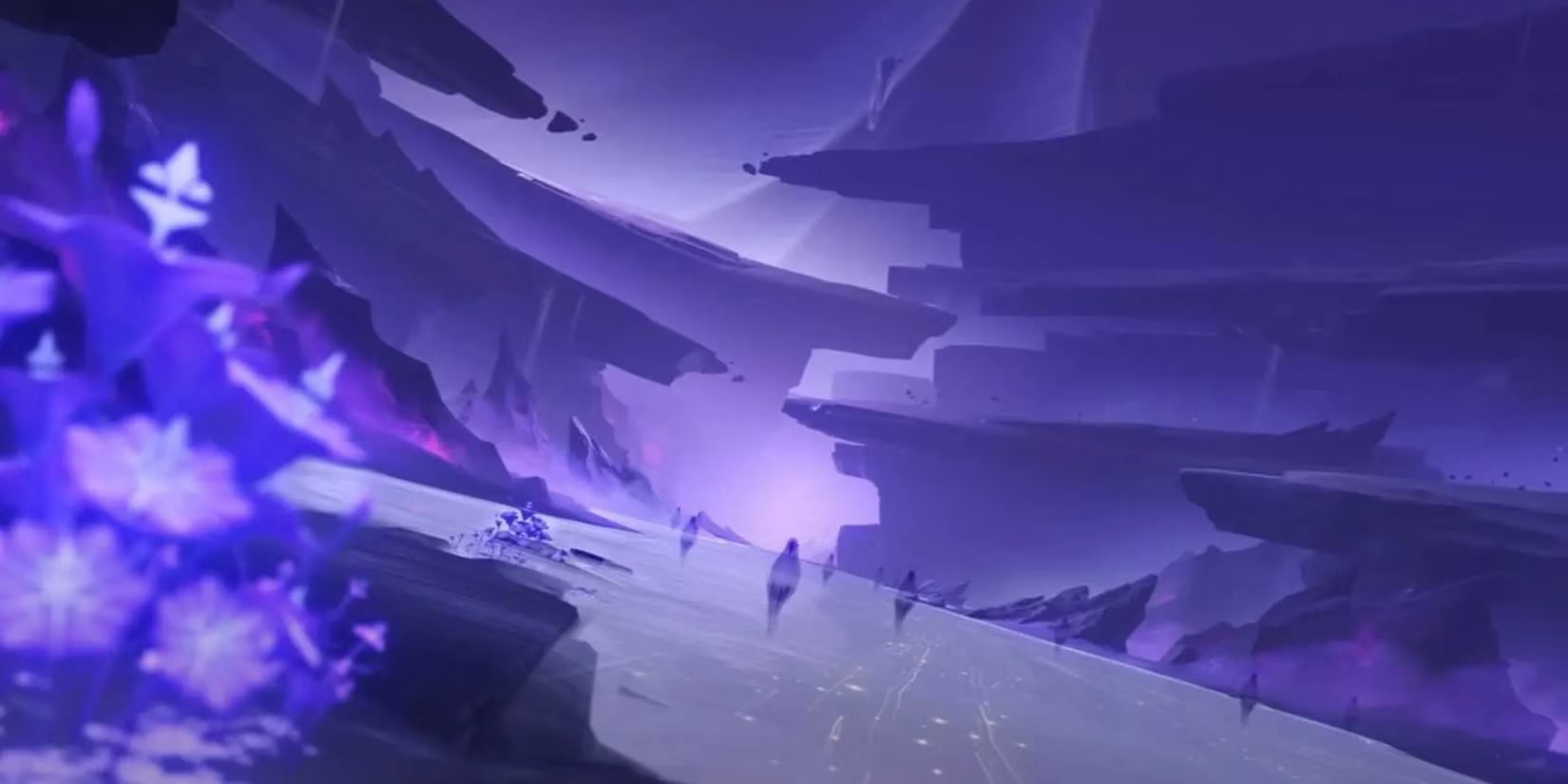
I also had to respect the Ode of Resurrection’s cruel math. A fallen warrior can return only if they bear an Ancient Name and at least one teammate makes it back. If the whole team falls, the souls are lost in the Night Kingdom. That rule gave every fight a sharper edge. Was Capitano wrong to call Mavuika’s plan risky? Maybe not. But was Mavuika wrong to trust the system her predecessor built? Also maybe not. Natlan’s tragedy is that both of them are right about the danger and wrong about the cost.
Kachina, Capitano, and the First Crack
The early questline hit me harder on replay. Kachina falls in battle, and the team believes she will be resurrected because some members returned. Then the resurrection fails because the Sacred Flame has been tampered with by the Abyss. Mavuika sacrifices part of her power, turning it into Contending Fire to keep the flame alive. That is the first crack in the Archon’s crown, and it is where Capitano enters.
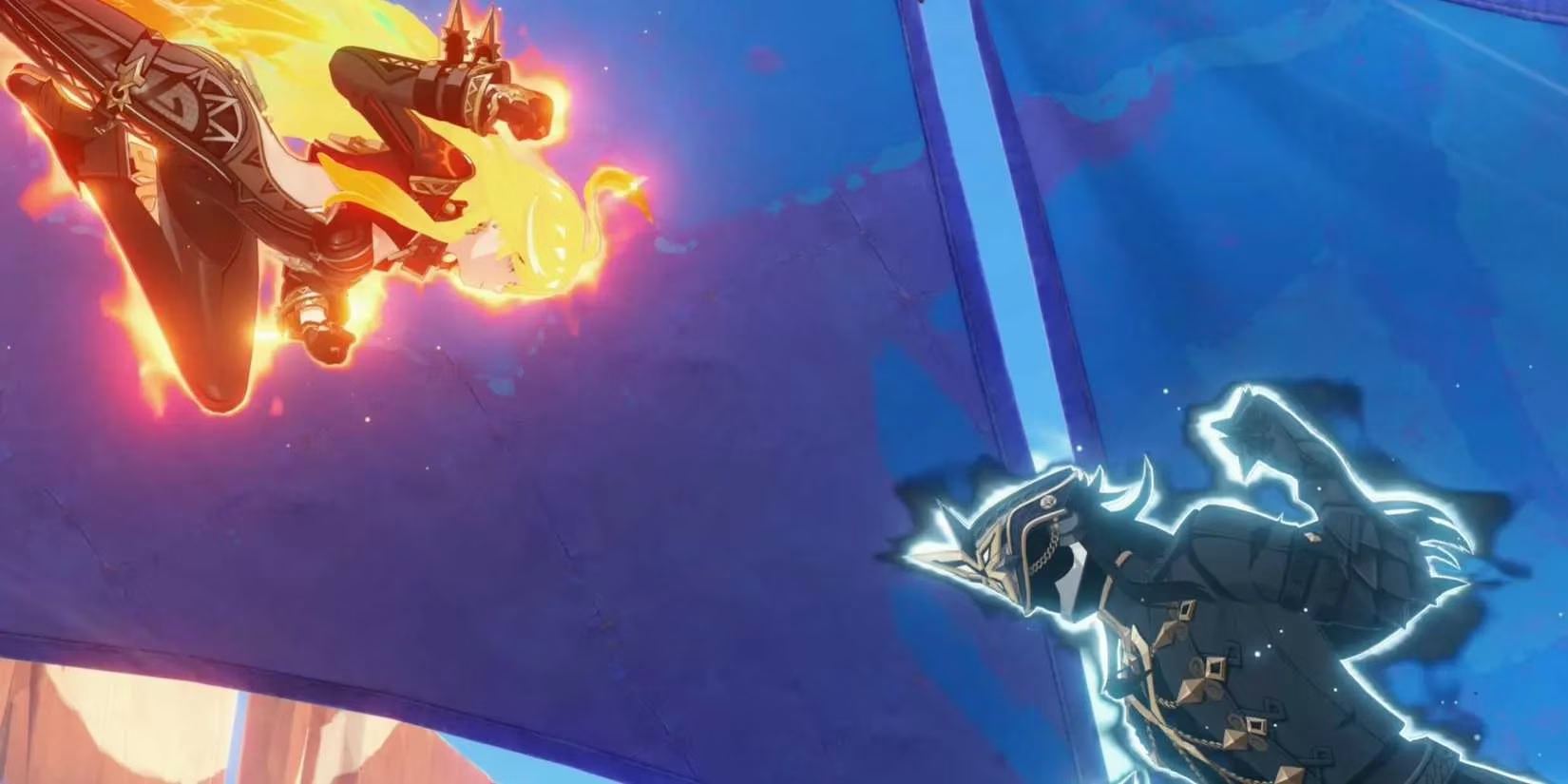
His entrance is as regal as the community hoped. He challenges Mavuika, claiming she failed the oath made 500 years ago. Their clash leaves him wounded and her strained, and then he vanishes in a fog linked to the Masters of the Night-Wind. Ororon’s involvement is the thread that pulls Citlali into the story. I liked this section because it turns politics into family trouble: Citlali wants to clear Ororon’s name, the Traveler needs the Lord of the Night’s recognition, and Xilonen has to forge an Ancient Name for an outlander. It is a chain of favors, not a clean hero’s path.
The rescue of Kachina also opens the lore vault. Inside the Night Kingdom, the team finds ruins that look like Enkanomiya but are actually remnants of the Elemental Sovereigns, the Seven Sovereign Dragons. Their civilization lay beneath Natlan and used technology far beyond what I expected. The Abyss corrupts the Night Kingdom, the Traveler proves immune to that corruption, and the question of why becomes another thread tied to forbidden knowledge and Irminsul. By the time I returned to the Speaker’s Chamber, Mavuika’s plan to assemble six heroes felt less like a prophecy and more like a desperate roll call.
The Six Heroes and the Source Mechanism
Mavuika needs six heroes who bear the Ancient Names of the great warriors who served with her during the Cataclysm. Xilonen, Kinich, Iansan, and Mualani awaken first; Chasca and Ororon complete the set later, each through loss. The middle act belongs to Capitano’s alternative plan. He wants to reconstruct the Ley Lines using the Source Mechanism. Mavuika wants to use the Ode of Resurrection and the Sacred Flame, even if the Night Kingdom’s history must be wiped to repel the Abyss.
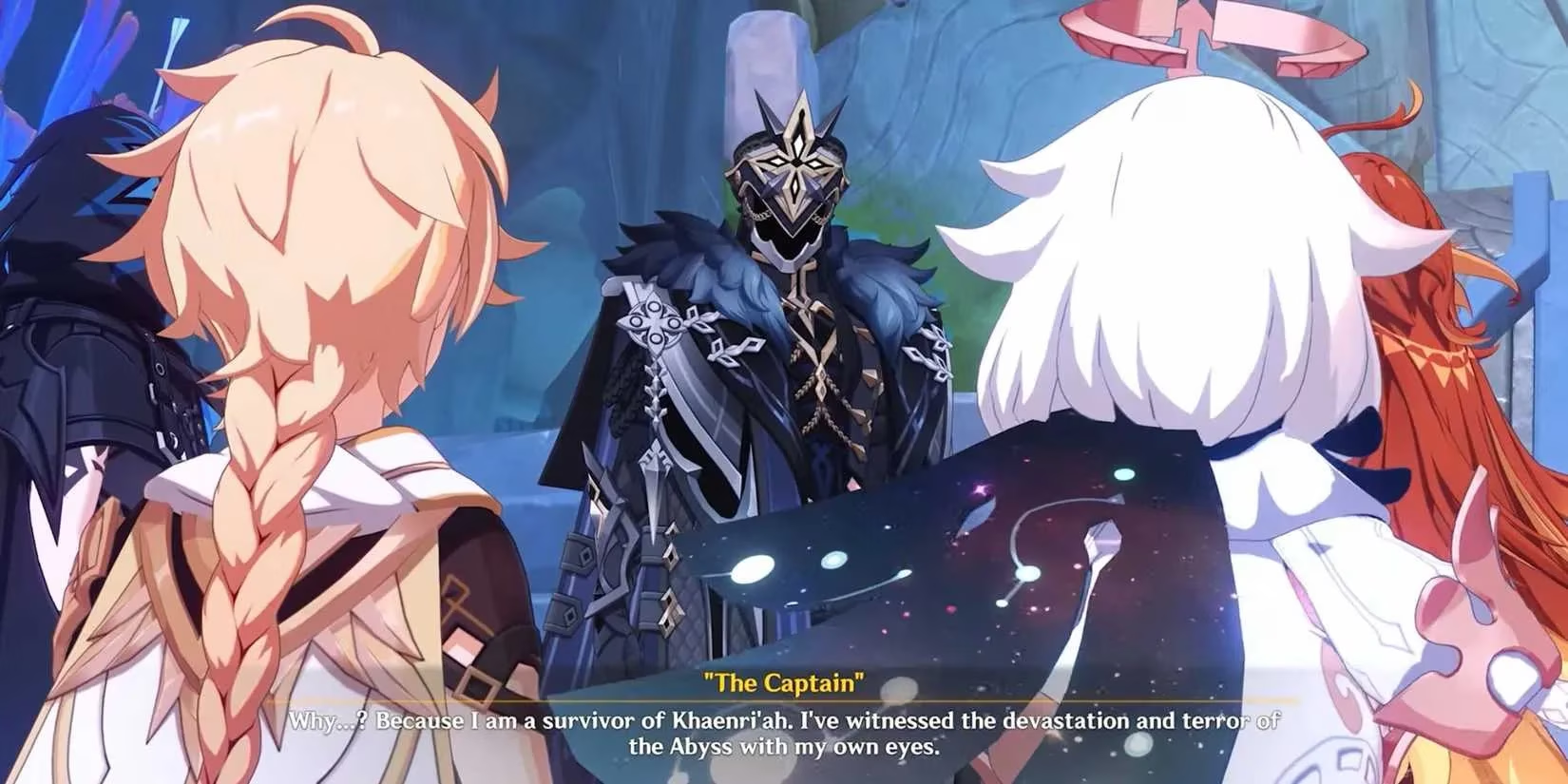
When Citlali copies Ororon’s memories, I finally understood Capitano’s angle. He is a survivor of Khaenri’ah, and he does not want history to repeat itself. He thinks the six heroes will fail and that Mavuika is holding on to false hope. The argument between them is the best kind of lore conflict: both sides have evidence, both sides have trauma, and neither can afford to be generous. In the end, Capitano agrees to help Mavuika and orders the Fatui to assist her. That shift matters. It is not a redemption arc; it is a tactical truce.
Gosoythoth, Chuychu, and the False Sky
The Abyss does not wait for the debate to end. Gosoythoth appears in the sky, snuffs out the Sacred Flame, and rains Abyssal tumors across Natlan. I flew across the nation in the hot air balloon and saw human and Saurian bodies on the battlefield. The Scions of the Canopy are overrun, the Children of the Echoes evacuate to the Stadium, and the Flower-Feather Clan falls hardest. Chasca and Chuychu fight together; Chuychu is contaminated, purified, and then dies from her wounds after speaking to her sister. Chasca receives her Ancient Name in that moment. It is a brutal way to complete the hero roster, and it is meant to be.
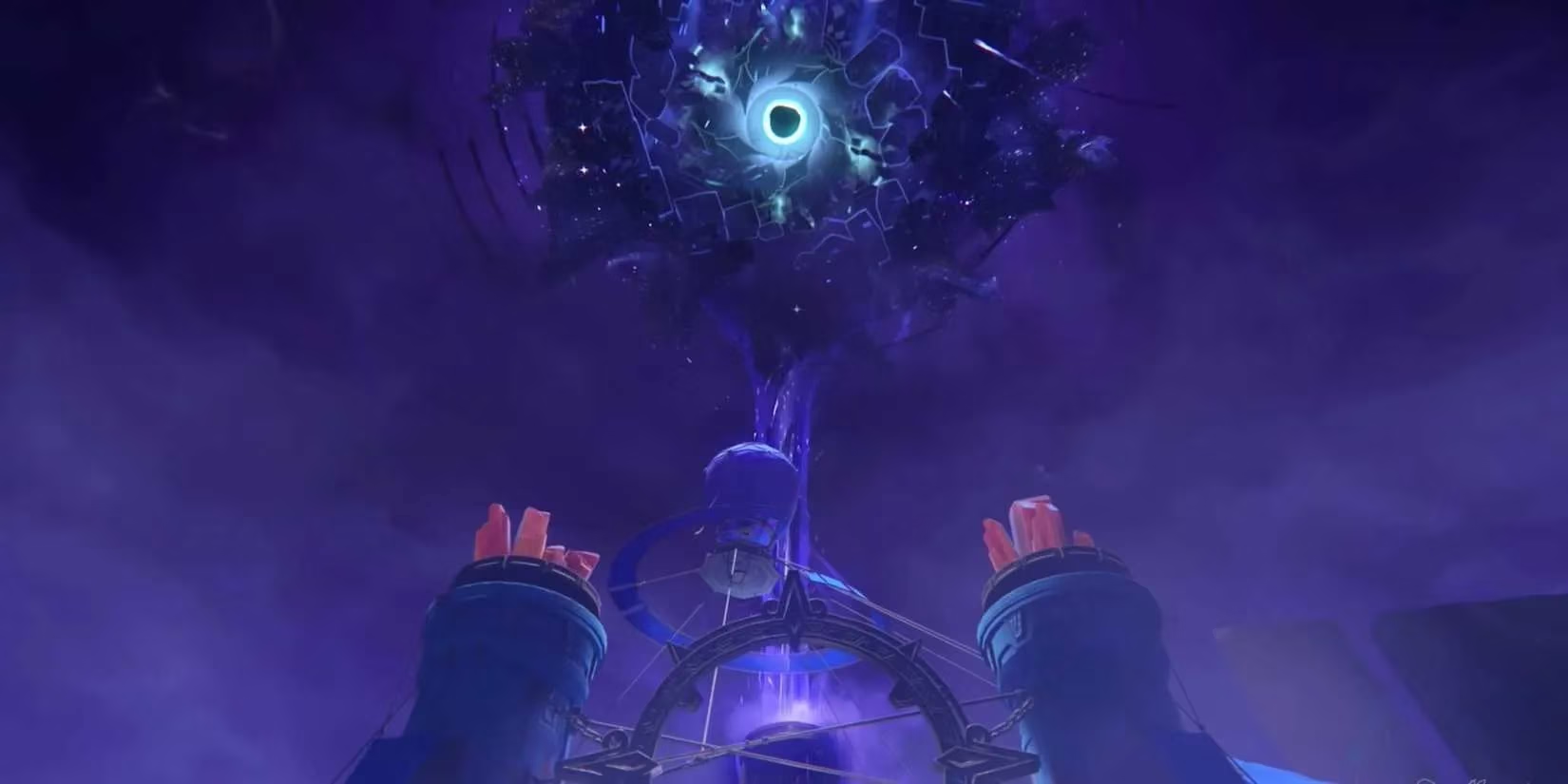
Mavuika’s response is a nationwide Night Warden War. The Ode of Resurrection now covers all of Natlan, so the Sacred Flame can bring back the fallen across the nation. That power-up lets the defenders destroy the tumors, and when the enemy reaches the Stadium, Mavuika punches Gosoythoth so hard that she tears through the false sky behind it. I noticed the debris. The Traveler notices it too. Then the tear is covered up. That single image does more for the Heavenly Principles mystery than a dozen exposition scenes. What exactly is Teyvat’s sky hiding? And why does Natlan’s Archon get to glimpse it?
Ochkanatlan, Ronova, and Capitano’s Last Bargain
The final act moves to Ochkanatlan. Citlali warns that Mavuika still owes Ronova, the Ruler of Death, for using her power. Ronova wants payment: death. Mavuika is not ready to die because the Lord of the Night is still weak. Then Capitano arrives with Ororon and offers himself instead. This is where the story finally explains the man behind the mask. He is Thrain, a Sentinel Knight of Khaenri’ah, whose heart was modified to convert memories and souls from the Ley Lines into knowledge. He has carried lost souls for 500 years. He has wanted death for 500 years.
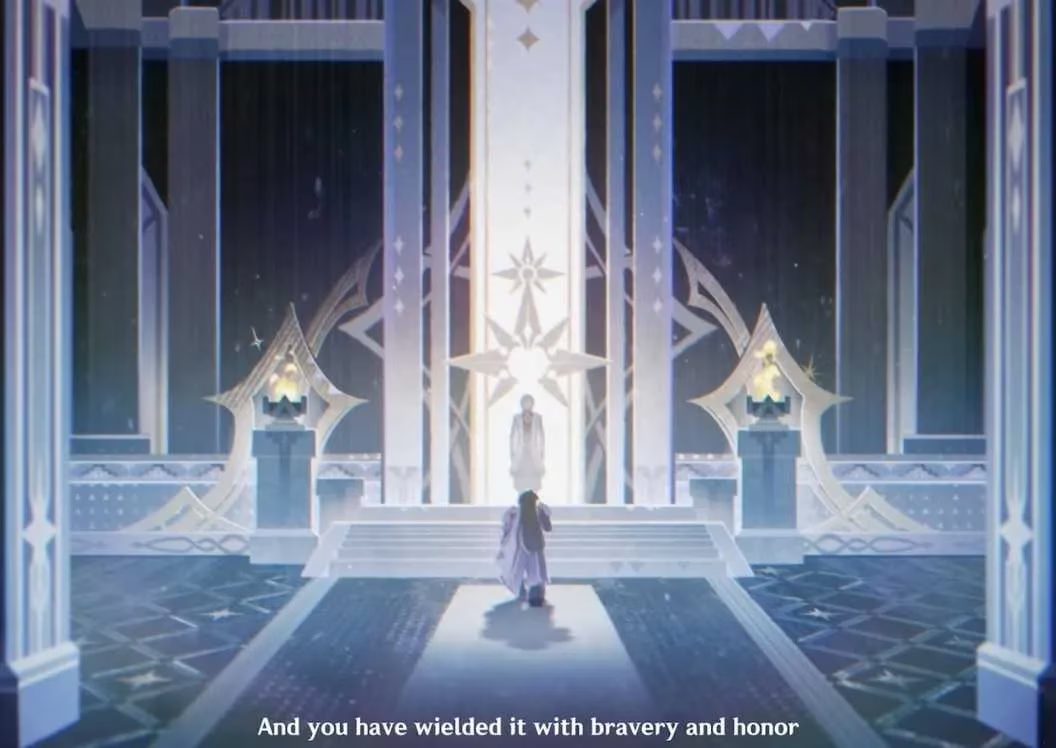
His solution is a paradox. He fuses his life force with the Lord of the Night, giving her immortality and releasing the souls he carried. Ronova cannot accept his death without breaking the immortality curse the Heavenly Principles placed on Khaenri’ahns, so she chooses to preserve the curse and allow the fusion. Capitano dies as Thrain, the Lord of the Night becomes immortal, and the Night Kingdom stabilizes. I do not think it is a clean happy ending. It is a negotiated one, and that fits Natlan.
What Natlan Leaves Behind in 2026
Looking back from 2026, I see Natlan as a bridge chapter. It is not only a war story; it is a story about record-keeping. Ancient Names, the Pilgrim’s Chronicle, the Night Kingdom, the false sky, the Loom of Fate—all of it asks who gets to write memory and who gets erased. The Traveler’s Ancient Name, Tumaini, means hope. Is it not fitting that hope itself has to be forged, carried, and remembered?
| Lore thread | What stayed with me |
|---|---|
| Ancient Names | Identity as inheritance and as a burden |
| Night Kingdom | A backup drive built from fragments and grief |
| Capitano / Thrain | A Khaenri’ahn survivor who turns his curse into leverage |
| False sky | A visual clue that the Heavenly Principles are still hiding something |
Natlan also sets up the road ahead. Mavuika mentions Nod-Krai, a border town of Snezhnaya, and notes that Dottore’s soldiers have been loitering and reporting back. Capitano asked the Tsaritsa to withdraw his mission to steal the Pyro Gnosis, but another Harbinger could still try. That is the hook I am carrying into the next chapter. The Pyro Nation is safe for now, but the bigger war is not over. 🔥
So, did Natlan deserve the mixed reviews? I think it depends on what you wanted from it. If you wanted a standalone victory lap, it is uneven. If you wanted a lore bridge with real sacrifices, it delivers. I left Natlan with a mural, a name, and a question: when the sky itself can be torn and patched, what else in Teyvat is being edited while we look away?