Steam is the great gravitational well of PC gaming: every publisher eventually falls into orbit, pretends it was the plan all along, and quietly hands Valve a 30% cut. Yet in 2026, a handful of holdouts still squat outside the walls like digital hermit kingdoms, daring the internet to ask why. The following odds are not prophecies; they are educated shrugs, the kind a poker player makes after sniffing the deck and deciding the deck is probably lying.
| Holdout | Original release | 2026 Steam odds | Mood |
|---|---|---|---|
| World of Warcraft | November 2004 | 30% | Battle.net or bust |
| Ultima | 1981 | 60% | Please, EA, open the vault |
| miHoYo gachas | 2020, 2023, 2024 | 40% | Gacha gravity |
| Fortnite | July 2017 | 2% | Tim Sweeney says no |
| Riot games | 2009, 2019, 2020, TBD | 15% | Lobby politics |
| Minecraft | November 2011 | 50% | Launcher soup |
| Star Citizen | 2013 | 15% | Pledge store forever |
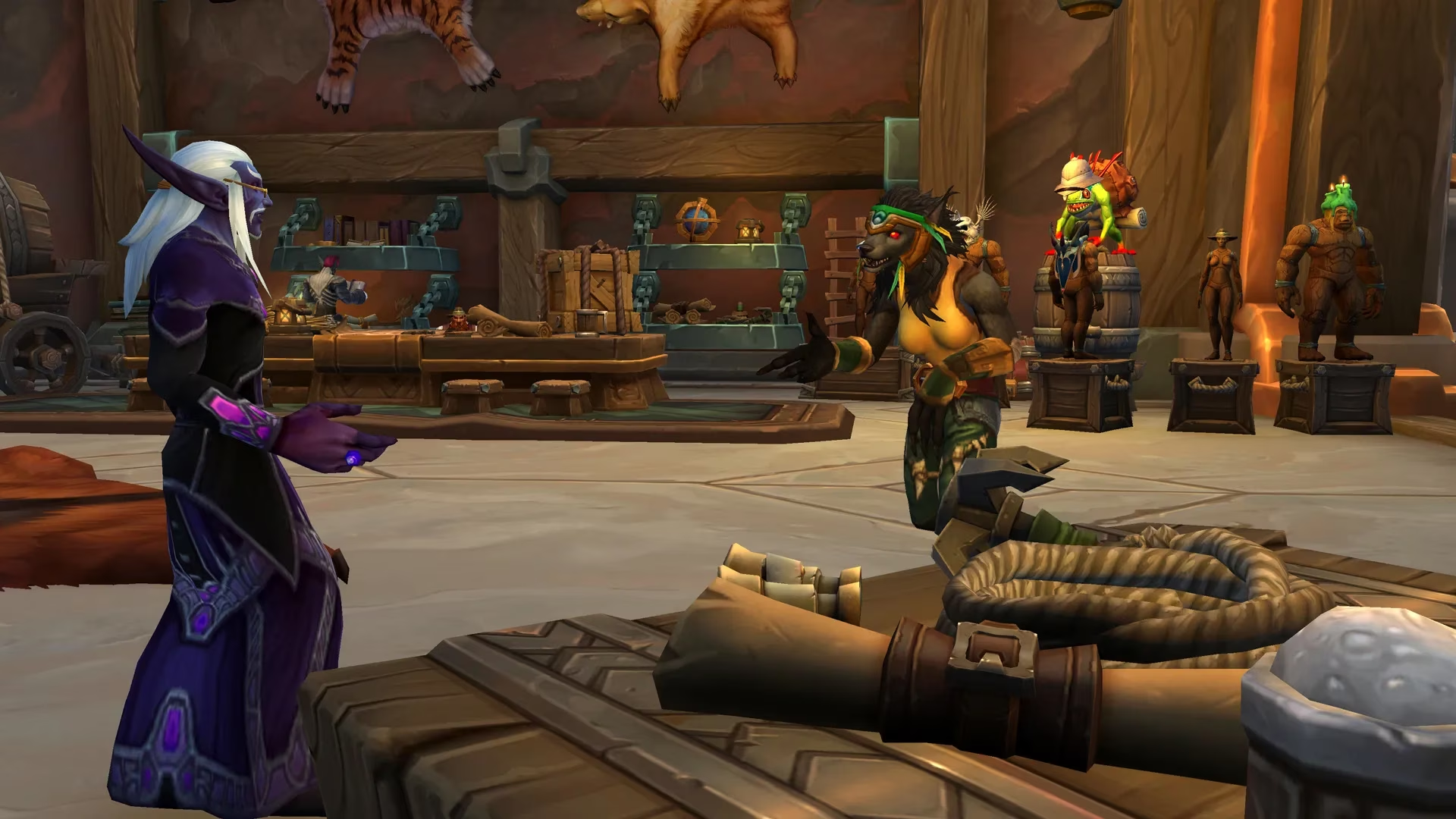
🐉 World of Warcraft: 30%
World of Warcraft is the grand old dragon of subscription MMOs, and Blizzard has spent two decades teaching it to breathe fire directly into Battle.net. Diablo 4 and Overwatch 2 eventually shuffled onto Steam, which suggests the fortress gates are not welded shut. But WoW is different: its subscriptions, character services, cosmetic offerings, and auction house are tangled through Battle.net like roots through a plumbing system. A Steam port would be months or years of delicate surgery, with a real chance of accidentally detonating the Auction House or summoning an apocalypse of server layers. Then Blizzard would have to hand Valve 30% of monthly subscriptions from players who already know where Battle.net lives. That is like asking a dragon to hand over one coin from its hoard and fill out a tax form. The dragon will consider it, then eat the form.
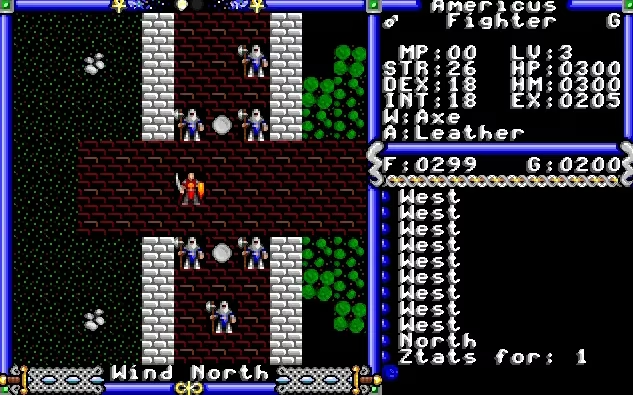
🏰 Ultima: 60%
Ultima helped invent the modern RPG, and without its influence the road to Baldur's Gate 3 would look much shorter and far less weird. It is therefore a small cosmic injustice that Lord British's realm has never appeared on Steam. The practical excuses are thinner than they used to be: the games already run on the EA app and GOG, and EA has been rummaging through its attic of classics. In 2024 it put Populous, Command & Conquer, Sid Meier's Alpha Centauri, and other old treasures on Steam. That is not a guarantee for Ultima, but it is a promising sign that EA's vault is a museum with the lights off and a curator who occasionally remembers where the switch is. The odds stay at 60% because hope is cheap and disappointment is traditionally free.
🎰 miHoYo: 40%
miHoYo built an entire ecosystem around its gacha repertoire: bespoke launchers, a social platform for character obsessives, and HoYoverse as a publishing subsidiary. Genshin Impact, Honkai: Star Rail, and Zenless Zone Zero already live on mobile stores and the Epic Games Store. The question is whether Steam's 30% cut looks like a fair toll or a bridge too far. Epic's 12% cut makes the math friendlier, especially when Epic can put miHoYo's games in front of players already launching Fortnite or hunting freebies. A gacha ecosystem is a theme park with its own currency, its own map, and its own weather; Steam is a bus stop outside the gate. The park might eventually want the bus traffic, but it will not pay full fare until the turnstiles start squeaking.
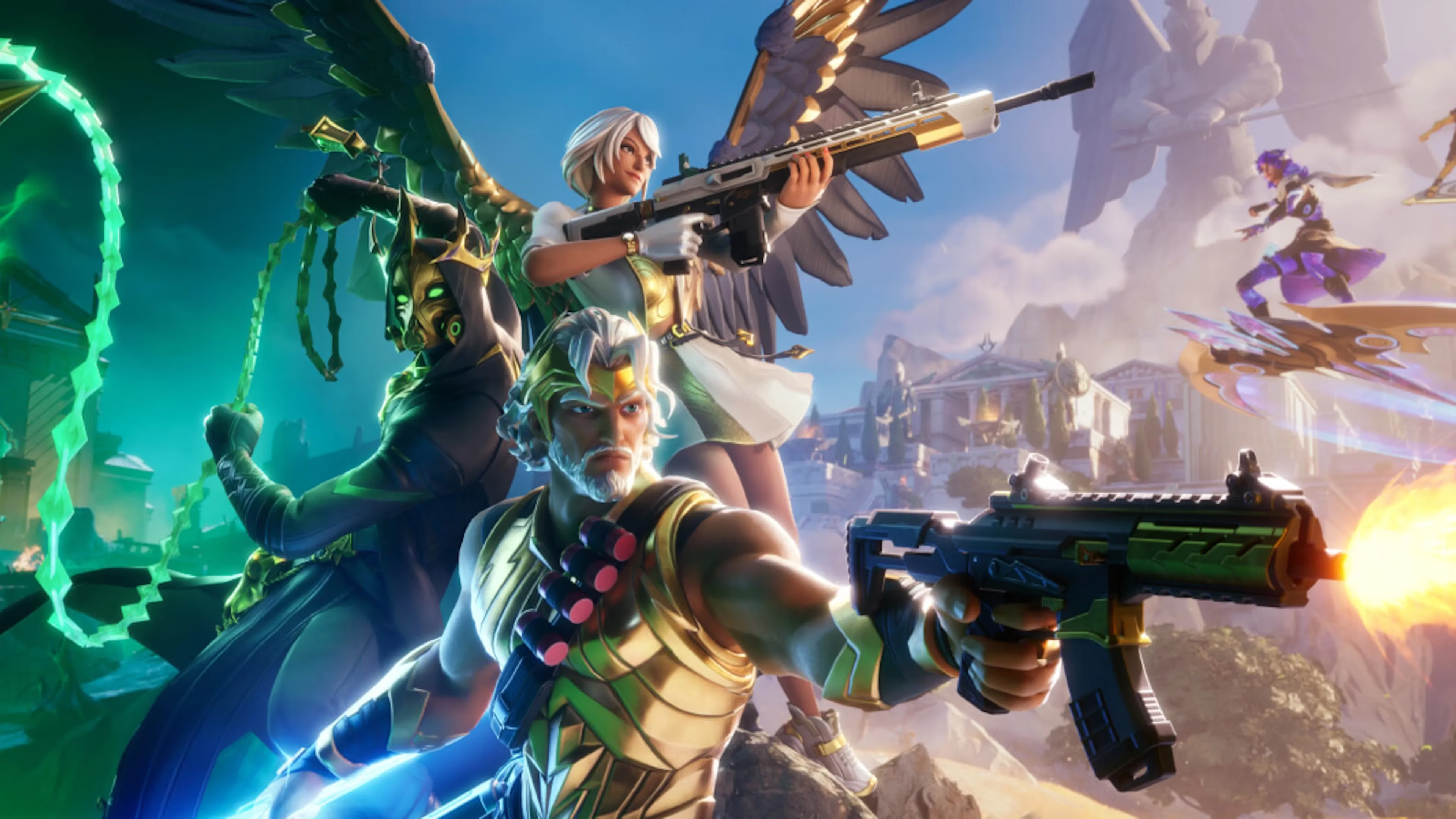
🦊 Fortnite: 2%
Not while Tim Sweeney has a say. Epic has fought long legal battles over mobile storefront fees, and Fortnite is the golden calf that funds the crusade. If Epic is willing to yank Fortnite from hundreds of millions of mobile users rather than surrender a slice of V-bucks, it is not going to hand Valve 30% just to sit in Steam's catalog. Putting Fortnite on Steam would be like a fox volunteering to install a henhouse toll booth. The Epic Games Store may have its struggles, but as long as it keeps Fortnite revenue inside the family, Fortnite stays home.
⚔️ Riot Games: 15%
Riot has a good thing going with League of Legends skins and Valorant weapon bundles. Handing Valve nearly a third of that income would be painful enough without also enriching Counter-Strike 2 and Dota 2, the games happily competing for the same players. Riot is friendlier with other platforms than Epic is: League and Teamfight Tactics have mobile versions, Valorant is on Game Pass, and a console port exists. Riot Forge even published League spinoffs before closing in 2024. Still, 15% is a polite nod, not a prediction. Riot's storefront strategy resembles a fortress with a gift shop: visitors are welcome, but the vault stays in the basement.
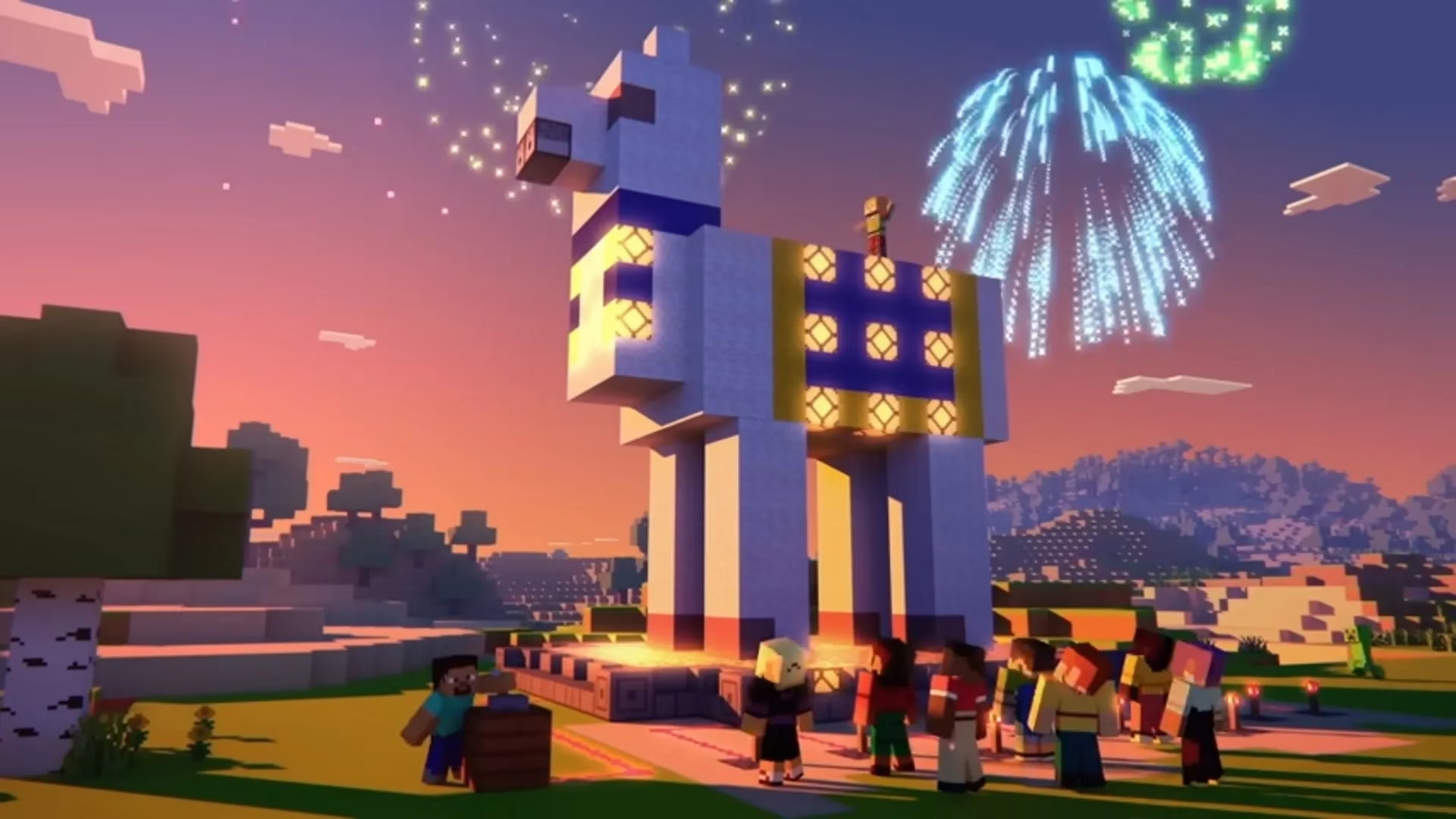
🧱 Minecraft: 50%
Minecraft is the least surprising candidate on this list. Minecraft Dungeons and Minecraft Legends are already on Steam, and Bedrock Edition is on PlayStation, Nintendo, and mobile despite Microsoft ownership. The hold-up is the launcher situation: Java and Bedrock editions on PC come with their own launchers and their own special brand of user confusion. Steam integration would not be impossible, but it would be the gaming equivalent of untangling Christmas lights that were packed away by a raccoon. The other problem is demand: most people who want Minecraft on PC already own it somewhere. A Steam release might mostly sell to people desperate to avoid the Microsoft Store, which is a real market but not an infinite one.
🚀 Star Citizen: 15%
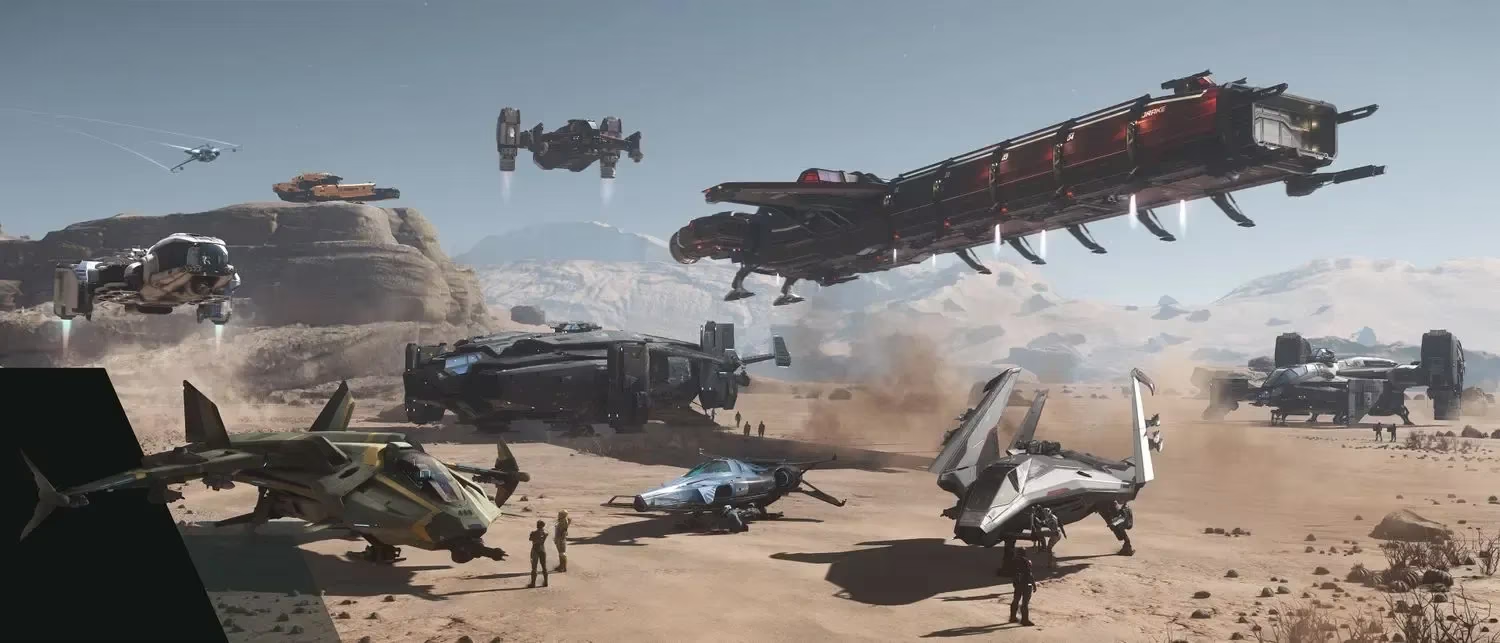
Star Citizen is less a game than a permanent fundraising weather system. Its crowdfunding campaign pulled in millions, its pledge store sells spaceships with the confidence of a luxury car dealership, and Squadron 42 remains the spinoff that keeps promising to arrive. With its own launcher and pledge store already in place, RSI has little reason to invite Valve to take a cut. A Steam release would also drag Valve into a swamp of refund claims and customer discontent, which is not the kind of swamp even a digital landlord enjoys. Star Citizen's pledge store is a casino where the chips are spaceships and the floor plan is a roadmap; the house sees no need to move the tables into Steam's mall.
🎲 The House Always Has a Spreadsheet
The lesson of 2026 is not that Steam wins every war. It is that the exceptions are expensive, weird, or both. WoW guards subscriptions, Fortnite guards V-bucks, miHoYo guards its gacha theme park, and Star Citizen guards its pledge store with the intensity of a dragon that has read a tax law. Ultima and Minecraft look more like scheduling problems than ideological standoffs, which is why their odds sit near the coin-flip zone. The house odds may shift, but the house—Valve—still owns the casino, the bus stop, and most of the roads in between. The holdouts remain stubborn, profitable, and just strange enough to keep the betting board interesting.